
KG Contracting
Septic System Installation and Replacement in Williams, AZ
Homeowners and property developers throughout Williams, AZ depend on properly installed septic systems to safely manage wastewater in areas without access to municipal sewer lines. Septic system installation is a precise process that requires accurate soil evaluation, correct tank sizing, and careful placement to ensure the system functions reliably for decades. KG Contracting provides septic system installation and replacement services designed around the specific soil composition, elevation, and drainage patterns found throughout the Williams area.
Because much of Williams sits in a region with rocky subsurface soil and seasonal freeze-thaw cycles, septic system installation here requires more than a standard approach. Systems must be designed to handle slower percolation rates in certain soil types while still meeting Coconino County health department requirements. Whether replacing an aging system or installing one for new construction, getting the design and installation right the first time prevents costly failures down the line.
Schedule a septic system evaluation with KG Contracting today.
Understanding Septic System Installation in Williams, AZ
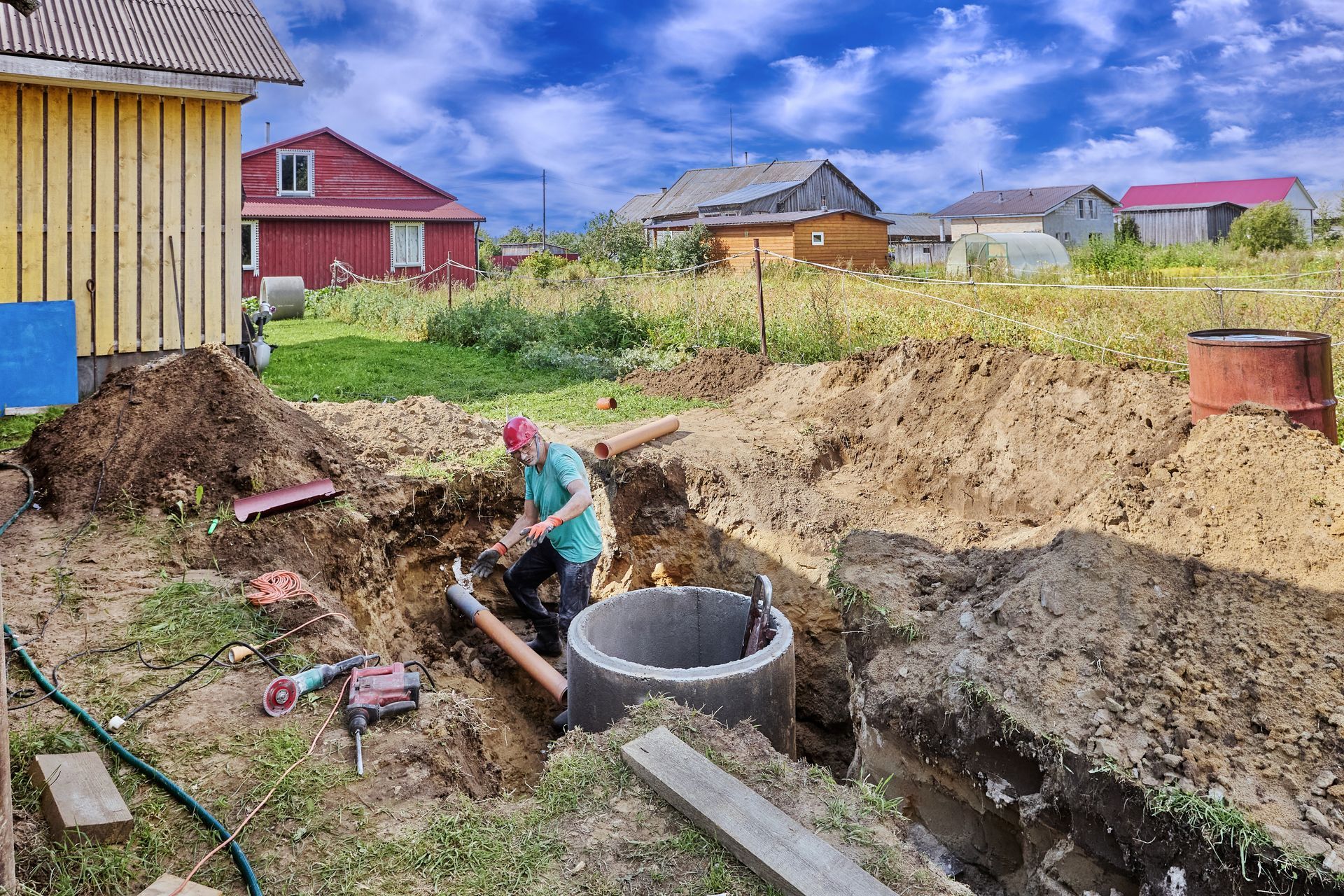
A septic system relies on a combination of a tank and a drain field to treat and disperse wastewater safely into the soil. Septic system installation begins with a percolation test, which measures how quickly water moves through the soil on a given property. This test determines the size and type of drain field required and directly affects where on the property the system can be placed.
In Williams, rocky terrain and variable soil depth mean that septic system installation often requires additional site evaluation compared to lower-elevation areas with more uniform soil. Getting this step right at the outset of septic system installation prevents drainage problems and premature system failure later.
When Septic System Replacement Becomes Necessary
Septic systems have a functional lifespan, and most eventually require septic system replacement due to age, damage, or changing usage needs. Recognizing the signs early can prevent a failing system from causing property damage or health hazards.
Slow Drains Throughout the House
When multiple drains slow down at once, it often signals that the septic tank or drain field is nearing the end of its usable life.
Standing Water Near the Drain Field
Wastewater surfacing in the yard is one of the clearest indicators that septic system replacement is needed rather than a simple repair.
Persistent Odors Near the Tank Area
A properly functioning system should not produce noticeable odors; consistent smell near the tank or drain field usually points to a failure requiring replacement.
Frequent Pumping Requirements
A system that needs pumping far more often than expected may have a cracked tank or a saturated drain field that a straightforward pump-out cannot fix.
Contact KG Contracting for a septic system replacement inspection in Williams, AZ.
The Septic System Installation Process
KG Contracting follows a structured process for septic system installation to ensure the finished system meets both functional and regulatory requirements. This process begins with permitting and design, followed by excavation, tank placement, and drain field construction.
Permitting and Design
Septic system installation requires approval from local health authorities, and the design must reflect the results of the property's percolation test and soil evaluation.
Excavation and Tank Placement
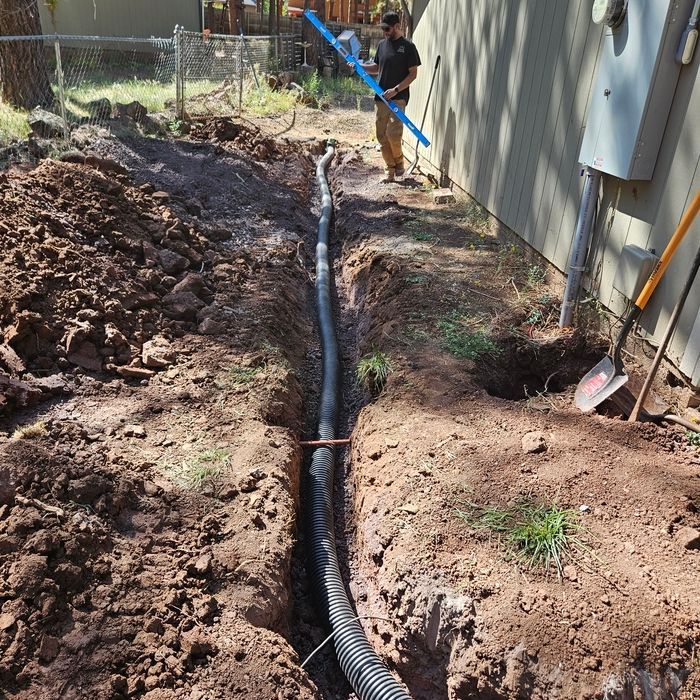
Once permits are secured, the tank location is excavated to the required depth, and the septic tank is set, leveled, and connected to the home's plumbing.
Drain Field Construction
The drain field is built according to the approved design, with pipe placement and soil layering calculated to support proper wastewater dispersal.
Backfill and Final Inspection
After installation, the system is backfilled, and a final inspection confirms that the septic system meets code before it is put into use.
Excavation Services – Major Grading or Resloping
Major grading reshapes land to a specific elevation, while resloping adjusts existing slopes to improve drainage and stability. KG Contracting handles both for residential and rural properties, correcting drainage issues, preparing building pads, and stabilizing slopes that have started to erode or shift.
Septic System Installation and Replacement
Properties without access to municipal sewer lines rely on a properly designed septic system to manage wastewater safely. KG Contracting handles percolation testing, permitting, and full installation or replacement, accounting for the slower percolation rates and rocky subsurface common throughout Williams.
Gravel or Loose Fill Paving – Install, Spread, or Scrape
Gravel remains one of the most practical surfacing options for driveways, access roads, and parking areas in Williams' climate. KG Contracting installs new gravel surfaces, spreads loose fill material, and scrapes existing gravel to correct ruts and restore an even grade.
Maintaining a Newly Installed Septic System
Proper care after septic system installation extends the life of the system significantly. Limiting water usage spikes, avoiding harsh chemicals, and scheduling regular pumping all help protect the investment. Property owners in Williams should also be mindful of what gets planted near the drain field, since certain root systems can interfere with buried pipes over time.
Frequently Asked Questions
How long does septic system installation typically take?
Most septic system installation projects take one to two weeks from excavation to final inspection, depending on permitting timelines and soil conditions.
What is a percolation test and why is it required?
A percolation test measures how quickly water drains through soil, and it is required to determine the correct size and design of the septic system's drain field.
How do I know if I need septic system replacement instead of a repair?
Signs like standing water near the drain field, persistent odors, or frequent backups usually indicate the system has failed and requires replacement rather than repair.
How often should a septic tank be pumped?
Most residential septic tanks should be pumped every three to five years, though usage levels and household size can shorten or extend that interval.
Can a septic system be installed on rocky or sloped land?
Yes, but rocky or sloped terrain, common in the Williams area, often requires additional site evaluation and design adjustments during septic system installation.
What size septic tank does a typical home need?
Tank size depends on the number of bedrooms and expected water usage, with most single-family homes requiring a tank between 1,000 and 1,500 gallons.
Do septic systems require a permit in Coconino County?
Yes, septic system installation and replacement both require permits and inspection through the local health department before the system can be used.
What causes a septic system to fail prematurely?
Common causes include exceeding the system's capacity, flushing non-biodegradable materials, or installing a system that was undersized for the property's soil conditions.
Can I install a septic system myself?
Septic system installation involves permitting, soil testing, and code compliance that generally require a licensed contractor to complete correctly and legally.
How close can a septic system be to a well or property line?
Setback distances vary by regulation, but septic systems typically must be a minimum distance from wells, property lines, and structures to prevent contamination.
What's the difference between a conventional and an alternative septic system?
Conventional systems use a standard tank and gravity-fed drain field, while alternative systems use additional treatment components for properties with challenging soil or space constraints.
Excavation Services – Major Grading or Resloping
Major grading reshapes land to a specific elevation, while resloping adjusts existing slopes to improve drainage and stability. KG Contracting handles both for residential and rural properties, correcting drainage issues, preparing building pads, and stabilizing slopes that have started to erode or shift.
Septic System Installation and Replacement
Properties without access to municipal sewer lines rely on a properly designed septic system to manage wastewater safely. KG Contracting handles percolation testing, permitting, and full installation or replacement, accounting for the slower percolation rates and rocky subsurface common throughout Williams.
Gravel or Loose Fill Paving – Install, Spread, or Scrape
Gravel remains one of the most practical surfacing options for driveways, access roads, and parking areas in Williams' climate. KG Contracting installs new gravel surfaces, spreads loose fill material, and scrapes existing gravel to correct ruts and restore an even grade.
Planning for Septic System Installation or Replacement
Because septic system installation and replacement both involve permitting, soil testing, and scheduling around Williams' seasonal weather, planning ahead is important. Projects are generally easier to schedule outside of the heaviest snow months, when ground conditions allow for more predictable excavation timelines.
Request a septic system installation quote from KG Contracting.